
When it comes to appeal letters, don’t overlook the reply card
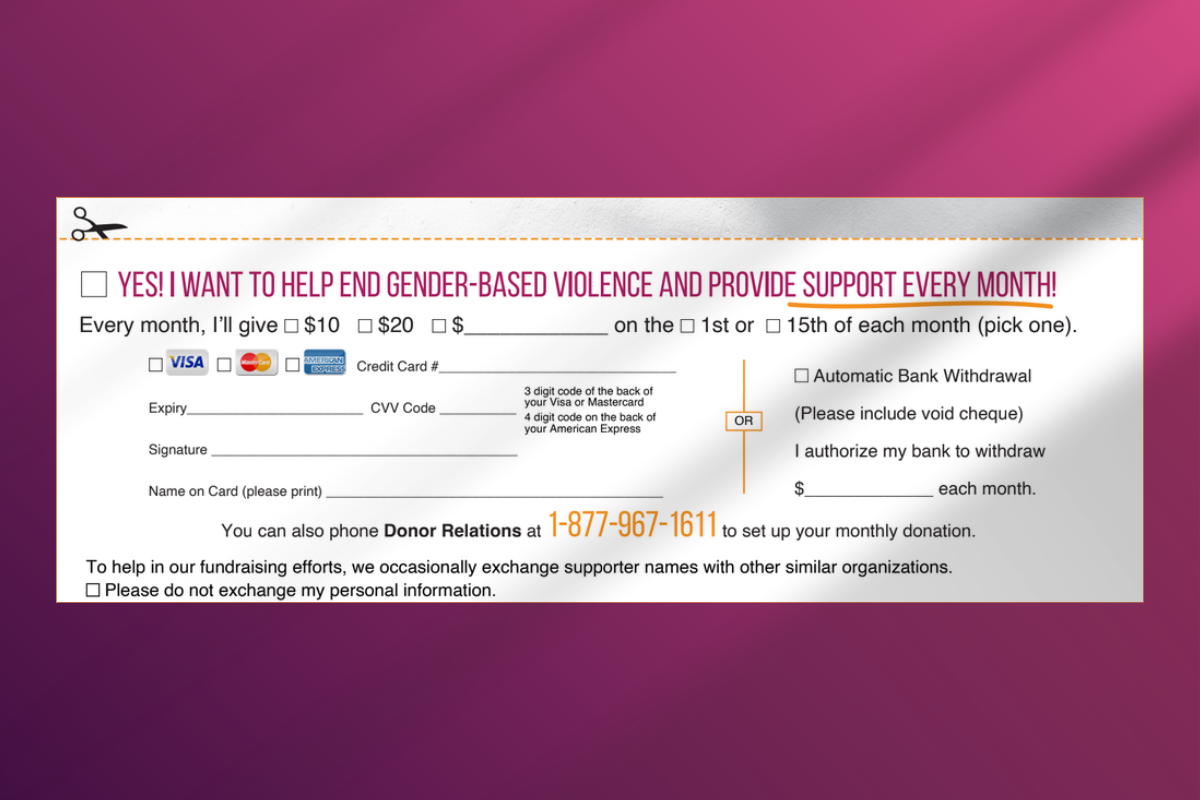
A strong direct mail appeal letter remains one of the most powerful tools for engaging donors and increasing retention. In fact, while the letter may be mass communication, it’s written as a one-to-one conversation — it’s one person, writing to another, asking them to do something.
And the reply card turns that one-way conversation into a two-way conversation. It’s the donor’s chance to interact with you, so their experience with it should be enjoyable, rewarding, and easy.
There are a lot of ways to do reply cards and there’s really no right or wrong way — the goal is to make it as easy as possible for the recipient to engage with you through responding. Whether you choose a tear-off reply at the bottom of your letter, a slip added to the package, or a standalone full-page, here are a few tips of what should be on it.
Include an affirmation statement. A sentence such as: “Yes! Ensuring we have the best health care right here at home is super important to me!” transforms a transactional payment form into an emotional commitment. It deepens the donor’s connection to your mission.
Repeat the ask. Most readers scan the letter so including suggested giving amounts again, and what those amounts do, re-enforces the need. If you have a matching gift, make sure it’s on the reply card because it reminds the donor that their donation goes even further.
Provide giving options. Check boxes for gift amounts make it easy for donors to give without having to think of an amount. Promoting monthly giving plants a seed of an idea in donors’ mind. And including check boxes for information about planned giving and tribute giving is an easy way for donors to ask you to reach out to start a conversation. Each box takes up very little real estate but opens the door to other giving opportunities.
Include a barcode or other identifier. Oftentimes, a donor will sit on a direct mail letter for weeks or months before sending it back. Printing a small code at the bottom of the card allows you to quickly know which campaign it came from.
Leave space for notes: Many donors like to write a message when they send a gift. Giving them a small space to do so gives you valuable relationship-building information.
Make it the right size: Whatever style of reply card you use, make sure it easily fits in the reply envelope you’re providing. Having to awkwardly fold the reply may seem like a minor inconvenience but it can reduce your response rate.